
When you’re caring for someone else, it can be easy to put their needs before your own.
Many carers spend so much time supporting others that their own health, wellbeing, and happiness gradually take a back seat. Over time, this can lead to stress, exhaustion, anxiety, and carer burnout.
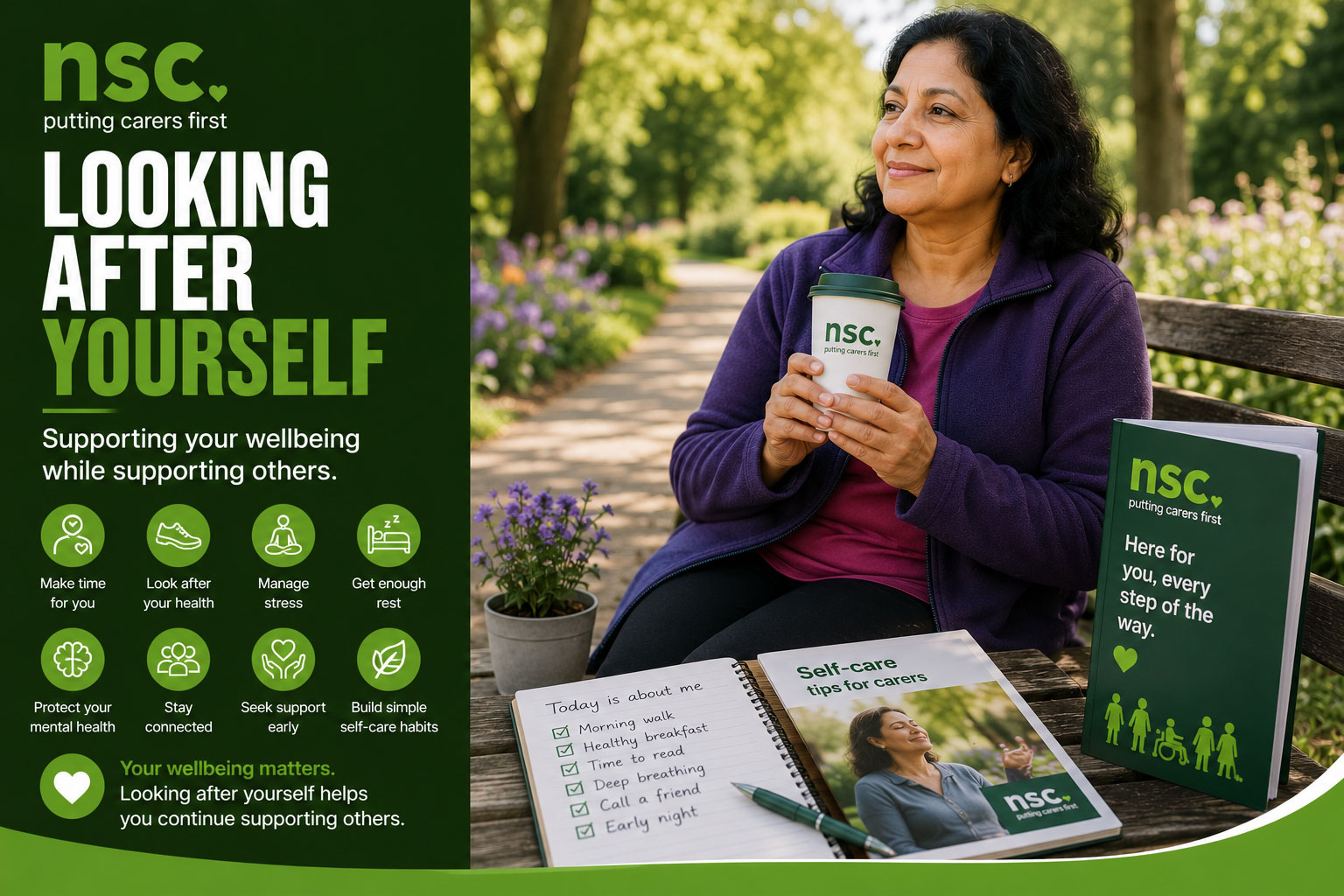
Looking after yourself is not selfish. In fact, maintaining your own physical and emotional wellbeing helps you continue providing the best possible support to the person you care for.
Burnout often develops gradually and can be difficult to recognise until it begins affecting your daily life. Common signs include:
Recognising these warning signs early can help you take positive steps before burnout becomes more serious.
Even short breaks can have a significant impact on your wellbeing. Try to:
Taking a break allows you to recharge and return to your caring role with renewed energy.
Physical wellbeing plays an important role in helping you cope with the demands of caring. Where possible:
Even small improvements to your physical health can help boost your energy levels and resilience.
Exercise does not need to involve a gym or intensive workouts.
Simple activities such as:
can all help improve your physical and mental wellbeing.
The NHS offers a wide range of fitness resources suitable for different ages, abilities, and mobility levels.
Caring can be emotionally demanding. You may experience feelings such as:
These feelings are normal, but it’s important not to face them alone. You may find it helpful to:
Looking after your mental health is just as important as looking after your physical health.
Stress affects everyone differently, but prolonged stress can have a significant impact on your health and wellbeing. Helpful strategies include:
Small changes can often have a big impact on reducing stress levels.
No one can do everything perfectly all the time. It is important to:
Some days will be more challenging than others, and that is perfectly normal.
Caring responsibilities can sometimes lead to isolation.
Maintaining connections with others can help improve wellbeing and provide valuable emotional support. Try to:
Sharing experiences with people who understand can help you feel less alone.
Many carers wait until they are struggling before asking for help. Support is available and can make a real difference. You may wish to explore:
Seeking support is a sign of strength, not weakness.
Self-care does not have to be complicated. Simple habits can help improve your wellbeing over time. Ideas include:
Building small wellbeing habits into your daily routine can make self-care more achievable.
Caring for someone is an important and compassionate role, but it should not come at the expense of your own health and wellbeing.
By looking after yourself, you are giving yourself the best opportunity to continue supporting the person you care for whilst maintaining your own quality of life.
Explore the support, advice, and wellbeing services available to help you stay healthy, resilient, and connected.